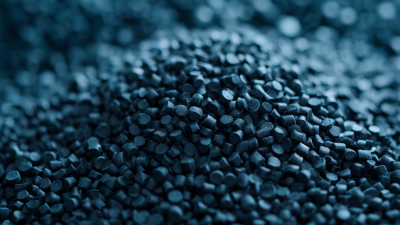
Hexamine Powder is a pretty versatile chemical that's used in all sorts of industries these days. Lately, we've seen demand really picking up across different sectors. Based on a recent market report, the global hexamine market is expected to hit around $600 million by 2025. That’s mainly because of its growing use in coatings, plastics, and textiles—stuff we come across pretty much every day. At Zibo Anhao Chemical Co., Ltd., we’re all in on meeting this growing need by offering high-quality, affordable chemicals that help our customers’ businesses grow around the world. Our focus on key products like Hexamine Powder makes us a trusted supplier, ready to support industries so they can innovate and succeed. As we look into all the ways Hexamine Powder is used—from fuel production to pharmaceuticals—it’s clear that its versatility keeps opening up new doors for efficiency and sustainable solutions across various fields. Honestly, it’s really exciting to see how this simple compound is making such a big difference everywhere.
Applications of Hexamine Powder in Industrial Manufacturing Processes
Hexamine powder, also known as hexamethylenetetramine, actually pops up in a bunch of different industrial applications. It's pretty valuable across various sectors, you know? For instance, in the petrochemical world, it’s used as a fuel additive and also as a building block for making resins and plastics. Its ability to stay stable chemically and resist high temperatures means it works really well in formulations that need to last a long time and handle wear and tear.
On top of that, hexamine is also involved in making different kinds of coatings and adhesives—acting as a hardener or helping things cross-link better. As industries start paying more attention to sustainability, I think we’ll see demand for hexamine powder grow, especially for eco-friendly products. Its versatility and ability to boost performance make it a favorite ingredient in modern manufacturing. Overall, its adaptability is really helping drive innovation and growth in the industry. And I believe this trend will keep going, especially as manufacturers increasingly lean toward more sustainable practices.
Applications of Hexamine Powder in Industrial Manufacturing Processes
Hexamine Powder as a Fuel Source: Efficiency and Energy Output
Hexamine powder, you'll find, has quite a few uses, and lately, folks are really starting to see it as a pretty solid fuel option. Its ability to burn efficiently means it packs a punch in terms of energy output — perfect for all sorts of industrial things. What’s pretty cool is that researchers have recently figured out how to make tiny magnesium oxide (MgO) particles by burning this versatile powder. They mix hexamine with magnesium nitrate as an oxidizer, and the controlled combustion produces high-quality MgO particles. So, it’s not just a fuel — hexamine’s turning out to be super useful in making other materials, too.
If you're thinking about using hexamine powder as a fuel, here are a few tips I’d share. First off, be careful with how you store and handle it — it’s pretty sensitive to moisture, so keeping it in a cool, dry place is key. Also, tweaking the combustion process — like adjusting the temperature and the amount of oxidizer — can really help you get more energy out of it. And don’t forget about what happens after combustion; understanding the by-products is important, especially if you’re aiming for environmentally friendly or sustainable practices. Putting these tips into practice can really help industries tap into all the potential hexamine has to offer in different applications.
Role of Hexamine in the Production of Resins and Adhesives
Hexamine powder, also known as hexamethylenetetramine, is pretty important when it comes to making resins and adhesives. Its unique chemistry makes it a go-to ingredient in forming phenolic and urea-formaldehyderesins. These resins are everywhere—think automotive parts, construction projects, woodworking—and that's because they bond really well and can handle HEAt without breaking down. Basically, hexamine acts as ahardener, helping the resin cross-link better, which results in products that are stronger and last longer.
When you're working with hexamine in your resin recipes, it’s crucial to keep an eye on the temperature and how you mix everything. Getting the curing process right really impacts the strength and durability of the final adhesive. Oh, and don’t forget—always check the manufacturer’s guidelines for the perfect ratios of hexamine to resin for whatever you're making.
Hexamine isn’t just sticking around for traditional uses either. It’s also pretty handy in making specialized adhesives—like those used in packaging or laminating—because it helps them cure faster and makes them more resistant to moisture. As industries keep pushing forward, the versatility of hexamine continues to be an exciting factor in developing new and improved adhesive solutions.
And here’s a tip: it’s always a good idea to test your glue formulas on a smaller scale before going all in. This way, you can catch any issues early on and make sure everything works smoothly. Plus, regularly reviewing and tweaking your formulations is key, especially when new materials or process changes come into play. Better safe than sorry, right?
Exploring Hexamine's Use in Pharmaceuticals and Chemical Synthesis
You know, hexamine—also called hexamethylenetetramine—has been catching a lot of buzz again, especially in pharma and chemical synthesis circles. It's pretty fascinating because of its unique properties and the fact that it's so versatile.
Basically, it's a great building block for making coordination polymers, which means it opens up a ton of possibilities for different structures and topologies. These can be really useful for all sorts of things, from developing new drugs to crafting complex organic molecules. Recently, scientists have found that it can also help kick off the nitrolysis process for making explosives. So, it’s playing a dual role—both in beneficial applications and in the more explosive side of things.
If you're planning to use hexamine in your syntheses, just a heads-up: pay close attention to your reaction conditions. Having a controlled environment is key to steering clear of unwanted side reactions. Also, it’s super helpful to understand how soluble and reactive hexamine is in different solvents—that can really boost your results.
But here’s the cool part: hexamine isn’t just sticking to traditional uses. Nowadays, it's also making waves in electrochemical synthesis. For example, it’s used to turn carbonyl compounds into amines—pretty neat, right? It’s a step forward in creating new methods that are not only efficient but also more eco-friendly. All in all, tapping into hexamine’s many functions could really push the boundaries of chemical research and pharma development. Who knows—maybe it’ll lead to new drugs or innovative materials that we haven't even thought of yet.
Innovative Uses of Hexamine in Environmental Remediation Strategies
Hexamine is this pretty interesting organic compound that's really starting to get noticed when it comes to cleaning up our environment. Its unique chemical traits make it pretty handy for various pollution-fighting strategies. For example, the EPA has highlighted how hexamine is increasingly being used as a biodegradable agent in wastewater treatment—helping break down toxic stuff into safer, less harmful substances. Plus, because it can form stable complexes with heavy metals, it's become a go-to for removing tricky contaminants from industrial waste.
And it's not just about water—hexamine's role in making soil cleaner is pretty promising too. A recent study in the Journal of Hazardous Materials pointed out how it boosts bioremediation in places polluted by hydrocarbons. Basically, it acts as a nitrogen source for microbes, which then grow more and speed up breaking down pollutants. So, it’s helping not only with cleaning up messes but also supporting the natural recovery of ecosystems. All in all, hexamine looks like a pretty useful tool for developing more sustainable, innovative solutions to environmental problems.
Hexamine Powder: Safety Protocols and Handling in Industrial Applications
Hexamine powder, also called hexamethylenetetramine, is pretty handy stuff and finds its way into a bunch of different industries. That said, even though it’s useful, you really gotta handle it with care—following the right safety rules is a must to keep everything safe. When you're working with hexamine, make sure your workspace is well-ventilated; nobody wants to breathe in dust or fumes. Wearing a mask or proper respiratory protection helps too, and if you can, set up local exhaust systems to keep the air clean.
Handling it carefully is key—forgetting that could lead to fires or accidental exposure. Store the powder somewhere cool and dry, away from things like strong oxidizers or heat sources. And don’t forget to label the containers clearly; it’s such a simple step but can save you a lot of trouble in the long run.
Pro tip: Always throw on your gloves and goggles when you’re dealing with hexamine. It’s also a good idea to keep an eye out for spills or leaks, and have a solid cleanup plan ready to jump into action if something goes wrong. Making sure everyone on your team knows how to handle it safely is just as important—safety should always come first, after all.
FAQS
: Hexamine is a versatile organic compound recognized for its ability to effectively mitigate pollution, particularly in wastewater treatment and soil remediation. It aids in decomposing toxic substances and can form stable complexes with heavy metals, making it valuable for removing contaminants.
Hexamine acts as a nitrogen source for microorganisms, stimulating their growth and accelerating the degradation of pollutants at hydrocarbon-polluted sites. This supports both the cleanup of contaminated land and the restoration of ecological balance.
It is crucial to ensure good ventilation, avoid inhaling dust, and wear personal protective equipment (PPE) such as gloves and goggles. Proper storage in a cool, dry place away from strong oxidizers and heat sources is also essential.
Recommended PPE includes gloves, goggles, and respiratory protection to ensure safety while handling hexamine powder.
Hexamine powder should be stored in a cool, dry place in properly labeled containers, away from heat sources and strong oxidizers to prevent accidental combustion and exposure.
Regular checks for spills or leaks should be conducted, and a strict cleanup protocol should be in place to address any incidents immediately.
Yes, ensuring good ventilation in the workspace is crucial for minimizing respiratory risks when handling hexamine powder.
The EPA reports on the increasing use of hexamine as a biodegradable compound in wastewater treatment, highlighting its potential in environmental remediation strategies.
Hexamine is used to help decompose toxic substances into less harmful byproducts during the treatment of wastewater, showcasing its effectiveness in pollution mitigation.
Recent studies have indicated that hexamine can enhance bioremediation processes, making it a promising candidate for innovative and sustainable environmental solutions.
Conclusion
Hexamine Powder is actually one of those versatile compounds that seems to have a million uses across different industries. You know, in manufacturing, it’s pretty much a go-to ingredient for making resins and adhesives better — they last longer and stick stronger. Plus, it’s a pretty efficient fuel option too because it packs a high energy punch, which is why you see it being used in energy generation more and more. It’s also a handy ingredient in pharmaceuticals, helping out in chemical synthesis and drug formulations.
But it doesn’t stop there — folks are coming up with some innovative ways to use Hexamine in environmental cleanup efforts, which is pretty exciting. Of course, like with any chemical, safety’s key. Proper handling and safety measures are a must to keep everything safe and smooth. Here at Zibo Anhao Chemical Co., Ltd., we’re dedicated to offering top-quality Hexamine Powder and other chemicals, all while keeping safety in check and making sure our prices stay competitive to support our customers’ growth. We’re all about helping you get the best while making safety and value a priority.